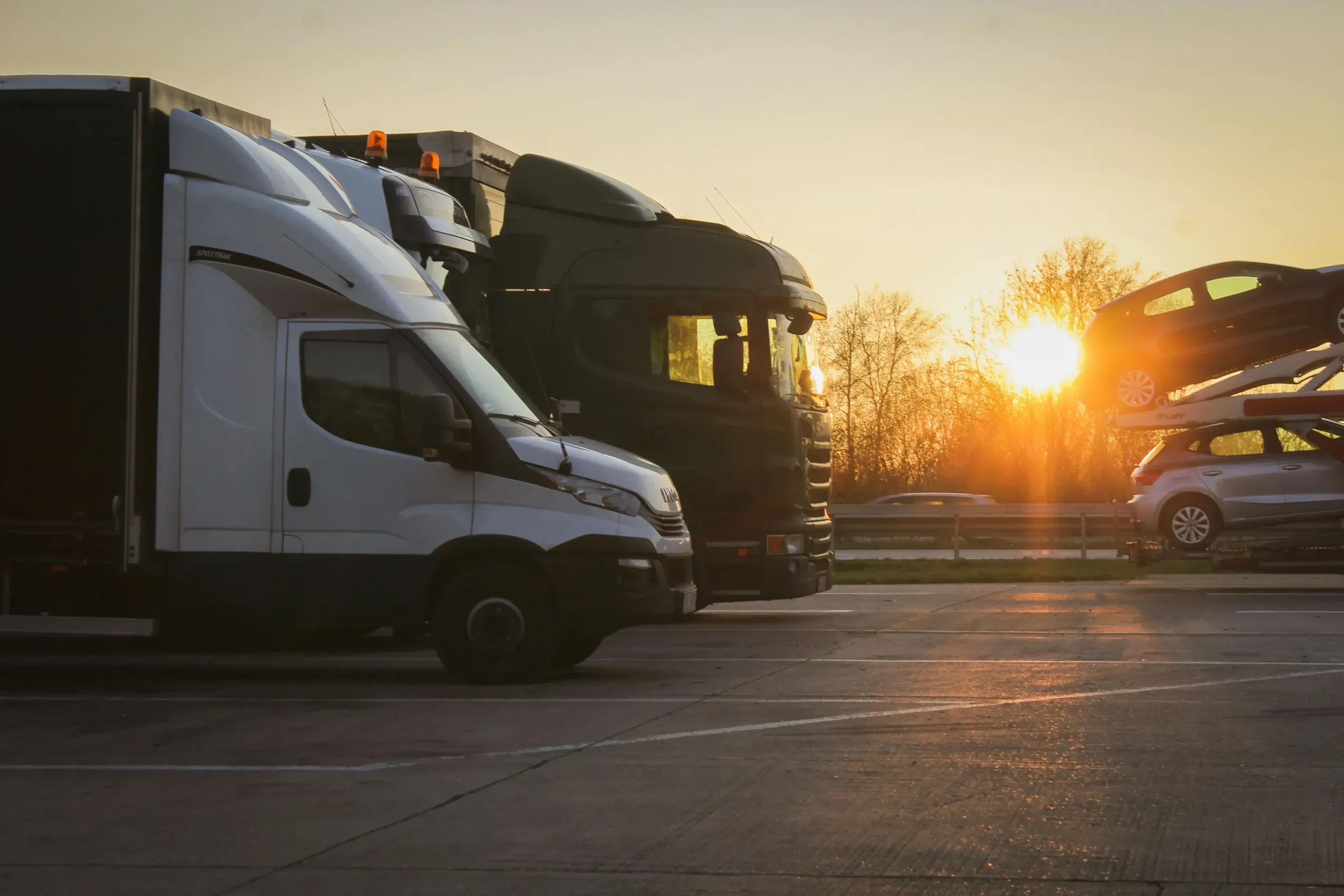
Ship Car from Virginia to Washington
Shipping a vehicle from Virginia to Washington covers approximately 2,735 miles across the country, with carriers typically completing the transit in 6 to 8 days. Because this cross-country route spans nearly the entire width of the United States, usually following the I-94 and I-90 corridors, understanding the logistics is essential for a smooth delivery. We have compiled everything you need to know about the journey, including current cost factors, transit timelines, the booking process, and how to verify carrier insurance. You will also find guidance on preparing your vehicle and answers to common questions about shipping to the Pacific Northwest.
- No-obligation quote within 2 minutes
- Price all-inclusive
- No charge until driver confirmed
- Distance
- 2,735 mi
- Transit time
- 6–8 days
- Open carrier from
- $1,525
How much does it cost to ship a car from Virginia to Washington?
Shipping a vehicle from Virginia to Washington typically costs between $1,525 and $2,025 for open transport, while enclosed shipping ranges from $2,475 to $3,325, with a standard transit time of 6 to 8 days to cover the 2,735-mile journey. These rates are determined by the current demand on the national loading board, where Ship Car Pros acts as a referral service to connect you with independent carriers who physically move the vehicle. Because this is a long-haul cross-country route, your final price is influenced by several specific logistical variables. There are six primary factors that determine where your final quote lands within these ranges, including your vehicle’s size, its operability, the specific trailer type you choose, and the current seasonal demand for drivers heading toward the Pacific Northwest.
What factors affect car shipping cost?
Several variables determine where your final quote lands within the standard ranges. Because carriers have limited space and strict weight limits, larger vehicles naturally cost more to transport than compact cars. Ship Car Pros connects you with carriers who price their loads based on these six logistical factors:
- Vehicle dimensions and weight: Larger SUVs and trucks take up more trailer space and increase fuel consumption.
- Transport type: Enclosed trailers offer premium protection but cost significantly more than standard open-air carriers.
- Flexibility: Providing a wider pickup window often secures a lower rate by allowing better carrier matching.
- Seasonal demand: Prices fluctuate during peak moving seasons or when winter weather impacts northern travel routes.
- Route accessibility: Deliveries to major metro hubs are generally cheaper than remote or rural Pacific Northwest locations.
- Vehicle operability: Cars that cannot be driven onto the trailer require specialized winch equipment and extra labor.
Open vs. enclosed car transport: which should you choose?
Choosing between open and enclosed transport for your 2,735-mile journey depends on your vehicle's value and your tolerance for the elements. Open transport is the industry standard and the most cost-effective choice, typically priced around $1,695 for this route. Your car travels on a multi-car trailer, exposed to weather and road dust-the same way new cars reach dealerships. It is safe, fully insured, and perfectly suitable for daily drivers.
Enclosed transport typically costs around $2,762 for the trip to Washington. This premium service uses a hard-sided trailer to shield your vehicle from rain, snow, and road debris. We generally recommend this for classic cars, luxury models, or vehicles with low ground clearance. While the cost is higher, it provides peace of mind for high-value investments. Ship Car Pros connects you with carriers for both trailer types, ensuring your vehicle is covered by the driver’s cargo insurance regardless of which method you select.
- Open carrier
- $1,525–$2,025
- Standard 7–10 car hauler.
- Enclosed carrier
- $2,475–$3,325
- Sealed trailer for high-value vehicles.
How long does it take to ship a car from Virginia to Washington?
Shipping a vehicle from Virginia to Washington typically takes 6 to 8 days to cover the 2,735-mile distance. Most solo drivers cover about 400 to 500 miles per day once they are on the road, accounting for mandatory rest breaks, fueling, and the time required for loading other vehicles on the trailer. This cross-country journey is one of the longest routes in the industry, often following I-90 or I-94 through several climate zones. While most shipments arrive within the estimated window, factors like heavy mountain snow or coastal rain can occasionally shift the schedule. We will explore the specific causes of transport delays and how to coordinate your pickup dates in the following sections.
Which routes do carriers usually take?
Carriers moving vehicles from Virginia to the Pacific Northwest typically begin by navigating the congestion of Northern Virginia or the I-64 corridor from Richmond and Hampton Roads. Once clear of the Appalachian foothills, drivers transition to the primary east-west freight arteries, specifically I-94 W and I-90 W. This 2,735-mile route takes trailers through the Midwest and across the Great Plains before hitting the significant elevation changes of the Rocky Mountains.
As the truck enters Washington, the journey culminates with a crossing of the Cascade Range. Most carriers utilize Snoqualmie Pass on I-90 W to reach the Puget Sound metro hubs like Seattle and Tacoma. Because this is a major national corridor, pickups are most frequent in Virginia’s urban centers, though carriers often make stops along the interstate for vehicles in smaller cities before the final push toward the coast.
What can delay your shipment?
Cross-country shipping involves more than just driving time. On the 2,735-mile trek from Virginia to Washington, winter weather is the most frequent disruptor. Carriers traversing I-90 and I-94 must navigate Snoqualmie Pass and the Rocky Mountains, where WSDOT often mandates chain laws or temporary closures for avalanche control. In Virginia, dense fog banks on Afton Mountain can also slow departures. Beyond weather, weekend asymmetry plays a role; while drivers deliver on Saturdays, Friday bookings often don't see a truck until Monday. If you are shipping from a Virginia auction like Copart, missing lot numbers or gate pins will stall the carrier at the gate, adding preventable days to your timeline.
Popular Routes
Major city-to-city routes on the Virginia → Washington corridor.
| From | To | Approx. distance | Transit |
|---|---|---|---|
| Virginia Beach, VA | Seattle, WA | ~2,450 mi | 6-8 days |
| Richmond, VA | Spokane, WA | ~2,120 mi | 6-8 days |
| Chesapeake, VA | Kennewick, WA | ~2,290 mi | 6-8 days |
| Norfolk, VA | Bremerton, WA | ~2,450 mi | 6-8 days |
| Roanoke, VA | Tacoma, WA | ~2,250 mi | 6-8 days |
| Newport News, VA | Olympia, WA | ~2,440 mi | 6-8 days |
| Fredericksburg, VA | Vancouver, WA | ~2,340 mi | 6-8 days |
| Alexandria, VA | Marysville, WA | ~2,310 mi | 6-8 days |
| Hampton, VA | Bellevue, WA | ~2,410 mi | 6-8 days |
| Lynchburg, VA | Kent, WA | ~2,270 mi | 6-8 days |
How does shipping a car from Virginia to Washington work?
Shipping a car from Virginia to Washington is a three-stage process involving an initial quote and booking, a coordinated vehicle pickup, and a final delivery inspection. Because this is a 2,735-mile cross-country haul, the logistics are handled by a professional carrier assigned through our referral network. The process begins with securing an all-inclusive price, followed by a documented condition report at your Virginia location. Once the vehicle is in transit, the driver navigates the route to the Pacific Northwest, ending with a final inspection and payment at your destination.
What happens between booking and pickup?
Once you confirm your booking, the focus shifts to securing a carrier and preparing for the driver’s arrival. Ship Car Pros handles the logistics of matching your order with a driver already scheduled to run the cross-country route toward the Pacific Northwest.
- Carrier Assignment: We post your shipment to the national loading board where vetted carriers browse for loads. A driver heading west accepts the job and is officially dispatched to your Virginia address.
- Notification: You receive a confirmation containing the carrier’s name, the driver’s direct phone number, and a projected arrival date.
- Window Coordination: The driver will call you roughly 24 hours in advance to narrow down the pickup window. Since these are large multi-car trailers, they may request to meet in a nearby parking lot if your street has low-hanging trees or tight turns.
- On-Site Inspection: When the driver arrives, you will perform a joint walk-around of the vehicle. This is the Bill of Lading process where any existing chips or dents are documented and photographed before the car is loaded for its 2,735-mile journey.
What is a bill of lading (BOL)?
The Bill of Lading (BOL) is the most important document in the shipping process, serving as both your formal contract and a detailed condition report. When the driver arrives in Virginia, they will perform a comprehensive 21-point inspection, noting any existing scratches or dents on this form. You should walk around the vehicle with the driver, ensuring every pre-existing mark is documented and photographed.
Once the car reaches Washington, you will use the same BOL to perform a final inspection. Check the vehicle carefully in good light before signing. If you spot new damage, it must be noted on the BOL at delivery to initiate an insurance claim. Signing the final BOL without notes confirms the vehicle arrived in the same condition it left, so take your time before the driver departs.
After delivery: registration and inspection in Washington
Once your vehicle arrives in the Pacific Northwest, you have 30 days to title and register it with the Washington Department of Licensing (DOL). Washington permanently ended its emissions testing program in 2020, so you can head straight to a licensing office without a smog check. You will need to bring your out-of-state title, a signed Form TD-420-001, and proof of identity.
Be prepared for several state-specific fees, including a $75 out-of-state stolen vehicle check fee and an original license plate fee of $50. If you live within the Sound Transit District (King, Pierce, or Snohomish counties), you will also owe a value-based Regional Transit Authority (RTA) tax. Electric vehicle owners should note a significant $225 yearly surcharge. Failing to meet the 30-day deadline results in late penalties, so visit dol.wa.gov early to calculate your specific costs.
Before you cancel your old policy, remember that Virginia law requires you to surrender your license plates or deactivate them online first. Do not cancel your Virginia insurance until the DMV confirms your plates are processed, or you may face a driver's license suspension.
How do you verify a car transport company is legitimate?
Verifying a carrier’s legitimacy is the most important step in protecting your vehicle during a 2,700-mile cross-country trip. Every legal transport company in the United States must be registered with the Federal Motor Carrier Safety Administration (FMCSA). You should always ask for a company’s Motor Carrier (MC) and Department of Transportation (DOT) numbers. You can plug these into the FMCSA’s Licensing and Insurance database to confirm their operating authority is active and that they carry the required cargo insurance.
A major red flag is any company asking for a non-refundable deposit before a driver is actually assigned to your route. At Ship Car Pros, we follow the industry standard: your card is not charged until a carrier is confirmed and dispatched. Legitimate providers will also provide a written agreement before any transaction occurs. This document should clearly outline the all-inclusive price, including fuel, tolls, and insurance coverage with no hidden fees.
Finally, check third-party rating sources rather than relying solely on a company's own website. The Better Business Bureau (BBB) and Transport Reviews are reliable platforms for seeing how a company handles delays or claims. Look for a pattern of responsive communication. If a company is difficult to reach during the quoting phase, they likely won't be there for you when the truck is halfway across the country. Taking ten minutes to verify these credentials ensures you are working with a professional referral service or carrier rather than a fly-by-night operation.
How do I prepare my car for shipping?
Preparing your vehicle for a 2,700-mile cross-country journey ensures a smooth handoff and protects your investment during transit. While the carrier handles the heavy lifting, taking these specific steps helps the driver perform an accurate inspection and prevents unnecessary delays.
Follow this checklist before your scheduled pickup:
- Wash the exterior: A clean car allows the driver to accurately document every existing scratch or chip on the Bill of Lading.
- Take dated photos: Photograph the vehicle from all four corners, the roof, and the interior to create your own record of its pre-shipment condition.
- Clear out personal items: Remove all valuables and loose electronics; carriers generally only allow up to 100 pounds of personal belongings secured in the trunk.
- Remove toll tags: Take down E-ZPass transponders and parking permits to avoid accidental charges as the truck passes through toll gantries.
- Maintain a quarter-tank of fuel: This provides enough gas for loading and unloading without adding excessive weight to the trailer.
- Disable alarms: Ensure all security systems are turned off or provide clear instructions to the driver on how to deactivate them.
Once these steps are complete, your vehicle is ready for the carrier to begin the long haul to Washington.
Specialty shipments from Virginia to Washington
Not every transport involves a standard daily driver. Moving a vehicle from Virginia to Washington often includes unique logistical hurdles, from retrieving salvage cars at East Coast auctions to coordinating the delivery of multiple family vehicles. Ship Car Pros specializes in these complex scenarios, connecting you with carriers equipped with the winches and trailer space necessary for specialized loads. Below, we break down how we handle auction pickups, non-running vehicles, and bulk shipping discounts.
How do you ship a car bought at Copart or IAA auction?
Shipping a vehicle from a Copart or IAA auction requires specific documentation that differs from a standard residential pickup. Before a carrier can enter the facility, you must provide three critical pieces of information: the lot number, the gate pin, and your buyer number. These details act as the facility's authorization to release the vehicle to the driver we assign. You must also ensure the vehicle is paid in full; carriers cannot pay outstanding storage fees or purchase balances at the gate.
Auction pickups typically add one to three days to the standard shipping timeline. These facilities operate on strict appointment windows and often experience heavy truck congestion, which can delay a driver's entry. Furthermore, if the vehicle is sold as "non-running," the carrier must use specialized winch equipment to load it, which requires extra coordination. Providing all your documentation upfront allows Ship Car Pros to match you with a driver who has the correct gear and credentials to navigate the auction's release process efficiently.
How do you ship an inoperable car?
Shipping an inoperable vehicle across the country requires a carrier equipped with a winch to pull the car onto the trailer. While the engine doesn't need to start, the vehicle must still be able to roll, steer, and brake. If the wheels are locked or the steering column is seized, standard transport isn't possible, as the driver cannot safely guide it up the loading ramps.
Because this process takes significantly more time and physical labor, shipping a non-running car adds to the standard rate. Not every truck in our network carries winching equipment, so notifying us upfront is vital. Ship Car Pros will then match you with a specialized carrier capable of handling the extra logistics for the 2,700-mile journey to Washington.
How do you ship multiple cars at once?
Shipping multiple vehicles at once is one of the most efficient ways to manage a cross-country move from Virginia to Washington. Whether you are relocating a family or a small fleet, the per-vehicle rate typically drops when you book more than one car on the same route. This saving occurs because the carrier can secure a larger portion of their trailer with a single stop, reducing their logistical overhead.
At Ship Car Pros, we prioritize matching multi-car orders with a single carrier so your vehicles stay together throughout the 2,735-mile journey. While most shipments will arrive on the same trailer, extremely large orders may occasionally be split between two trucks to meet weight regulations. Coordinating a bulk shipment simplifies your schedule, as you only need to manage one pickup window and one delivery appointment for your entire household.
Is it cheaper to ship a car or drive it from Virginia to Washington?
Deciding whether to drive or ship your vehicle across the 2,735-mile expanse between Virginia and Washington usually comes down to a comparison of total expenses and your personal schedule. When you look at the raw data, the financial gap is often wider than most first-time shippers expect.
To drive this route yourself, you should plan for a total cost of approximately $2,394. This figure is based on the 2024 AAA "Your Driving Costs" average of $0.70 per mile, which accounts for fuel, maintenance, and depreciation over the distance, totaling $1,914. Because the non-stop drive time is nearly 41 hours, you will also need at least four overnight stays. At an average of $120 per night, lodging adds another $480 to your trip, not including meals or tolls.
In contrast, shipping your car on a standard open trailer typically costs around $1,695. By choosing to ship, you avoid the $700 premium associated with driving, along with the physical fatigue of five days behind the wheel. There is also a significant opportunity cost to consider; driving requires taking nearly a full work week off, whereas Ship Car Pros connects you with a carrier that handles the logistics while you fly to your destination in hours. Whether the savings and convenience of the trailer outweigh the experience of a cross-country road trip depends entirely on your priorities.
| Ship it | Drive it | |
|---|---|---|
| Total cost | $1,525–$2,025 all-in | ~$2,514 (fuel + lodging + meals) |
| Your time | 0 hours | ~46 hrs driving + overnight |
| Wear & tear | None | 2,735 mi added; ~$0.10/mi depreciation |
| Risk | Insured in transit | Personal liability + fatigue |
For most Virginia → Washington shipments, ship is the better value once time and depreciation are counted.
Frequently asked questions
How much does it cost to ship a car from Virginia to Washington?
Shipping a vehicle from Virginia to Washington typically costs between $1,525 and $2,025 for open transport, while enclosed shipping typically ranges from $2,475 to $3,325. These rates are based on the 2,735-mile distance and the fuel requirements for a cross-country haul. Your final quote depends on the size of your vehicle, the time of year, and whether you are shipping to a major metro hub like Seattle or a more remote rural location.
How long does it take for a carrier to drive a car from Virginia to Washington?
The carrier transit time for a vehicle moving from Virginia to Washington is typically 6 to 8 days. While a non-stop drive would take about 41 hours, professional drivers are limited by federal Department of Transportation regulations to roughly 400 to 500 miles per day. This timeline also accounts for the driver stopping to load and unload other vehicles along the I-90 or I-94 corridors during the cross-country journey.
Should I choose open or enclosed transport for a cross-country move to Washington?
You should choose open transport if you are shipping a daily driver, as it is the industry standard and typically costs around $1,695 for this route. Enclosed transport is recommended for luxury, classic, or high-value vehicles worth over $75,000, as it protects the car from road debris and weather. While enclosed shipping costs more, typically around $2,762, it provides a higher level of shelter for the 2,735-mile trip.
When do I have to pay the deposit and the remaining balance for my shipment?
You typically pay a deposit once a carrier has been officially assigned and dispatched to your route, with the remaining balance paid directly to the driver at delivery. Your credit card is not charged at the time of booking. At the destination in Washington, you can usually pay the driver the remaining balance using cash, a certified check, money order, or digital options like Zelle or Venmo.
Is my vehicle fully insured while in transit from Virginia to Washington?
Yes, your vehicle is fully insured under the carrier’s cargo insurance policy from the moment it is loaded in Virginia until it is unloaded in Washington. This coverage is bumper-to-bumper with zero deductible for the customer. The Bill of Lading inspection performed at both pickup and delivery serves as the legal record to verify the vehicle's condition and support any necessary insurance claims for transit-related damage.
Do I need to be present at the pickup and delivery locations?
You do not need to be personally present at the pickup or delivery locations as long as you designate an authorized representative to handle the keys. This can be a friend, family member, or neighbor who is at least 18 years old. This representative must be able to perform the walk-around inspection with the driver and sign the Bill of Lading to document the vehicle's condition at both ends.
What happens if I book my shipment with multiple brokers at the same time?
Booking with multiple brokers simultaneously usually causes the shipping price to increase because the same vehicle appears multiple times on the national loading board. When carriers see multiple listings for the same car, they realize there is high demand and often bid the price up, effectively causing you to compete against yourself. It is more efficient to work with one provider to secure a carrier at a fair market rate.
Does the carrier deliver on weekends in Washington?
Carriers frequently deliver on weekends in Washington, as drivers typically unload vehicles as soon as they reach their destination to stay on schedule. However, weekend pickups in Virginia are less common because carrier activity and dispatch coordination are lower on Saturdays and Sundays. If you book your shipment on a Friday, the vehicle is often not picked up until the following Monday or Tuesday, even if the driver arrives for delivery on a weekend.